From 31 March 2027, the temporary exemption for the smallest businesses in England comes to an end. If you have fewer than 10 full-time equivalent employees, you will need to separate your waste under the Simpler Recycling rules, just as larger workplaces have had to since 31 March 2025.
Last checked: 4 November 2026. This is general guidance, not legal advice. Check the latest GOV.UK guidance for your own situation.
Does this apply to my business?
The rules cover workplaces in England, including businesses, charities and public sector organisations. They apply to waste produced by your employees, customers and visitors. You do not need to register for the micro-firm exemption, and it ends automatically.
How to count your employees
- Count the whole business, not each site. Three shops with four employees each make 12 employees, so that business is not a micro-firm.
- Pro-rate part-time staff. Two full-time employees and four half-time employees count as four full-time equivalents.
- Leave some people out. Volunteers, contractors and self-employed workers are not included.
What you must separate
| Waste stream | Examples |
|---|---|
| Dry recyclables | Glass, metal, plastic, paper and card |
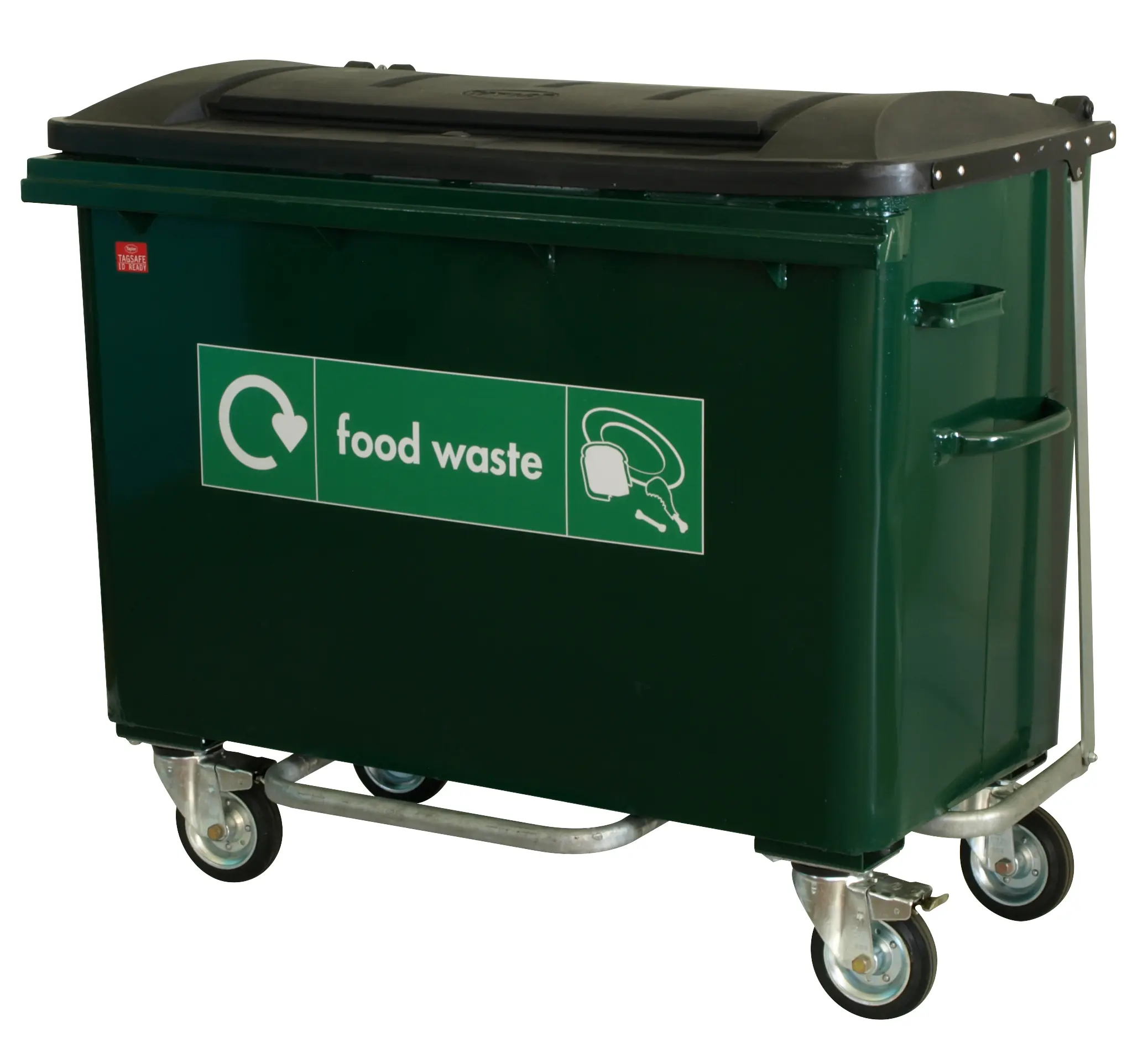
| Food waste | Leftovers, coffee grounds and tea bags |
| Non-recyclable waste | Anything left over that cannot be recycled |
These three streams must always be kept apart. Paper and card must also be collected separately from plastic, metal and glass, unless your waste collector completes a written assessment allowing them to be collected together. Ask your collector what applies to you.
Food waste is required even if you do not have a kitchen, and there is no minimum amount in England. Compostable and biodegradable packaging should not go in with food waste.
Flexible plastics, such as plastic film, are also due to be added to business collections by 31 March 2027, so ask your collector how they will handle them.
Do I need special bins?
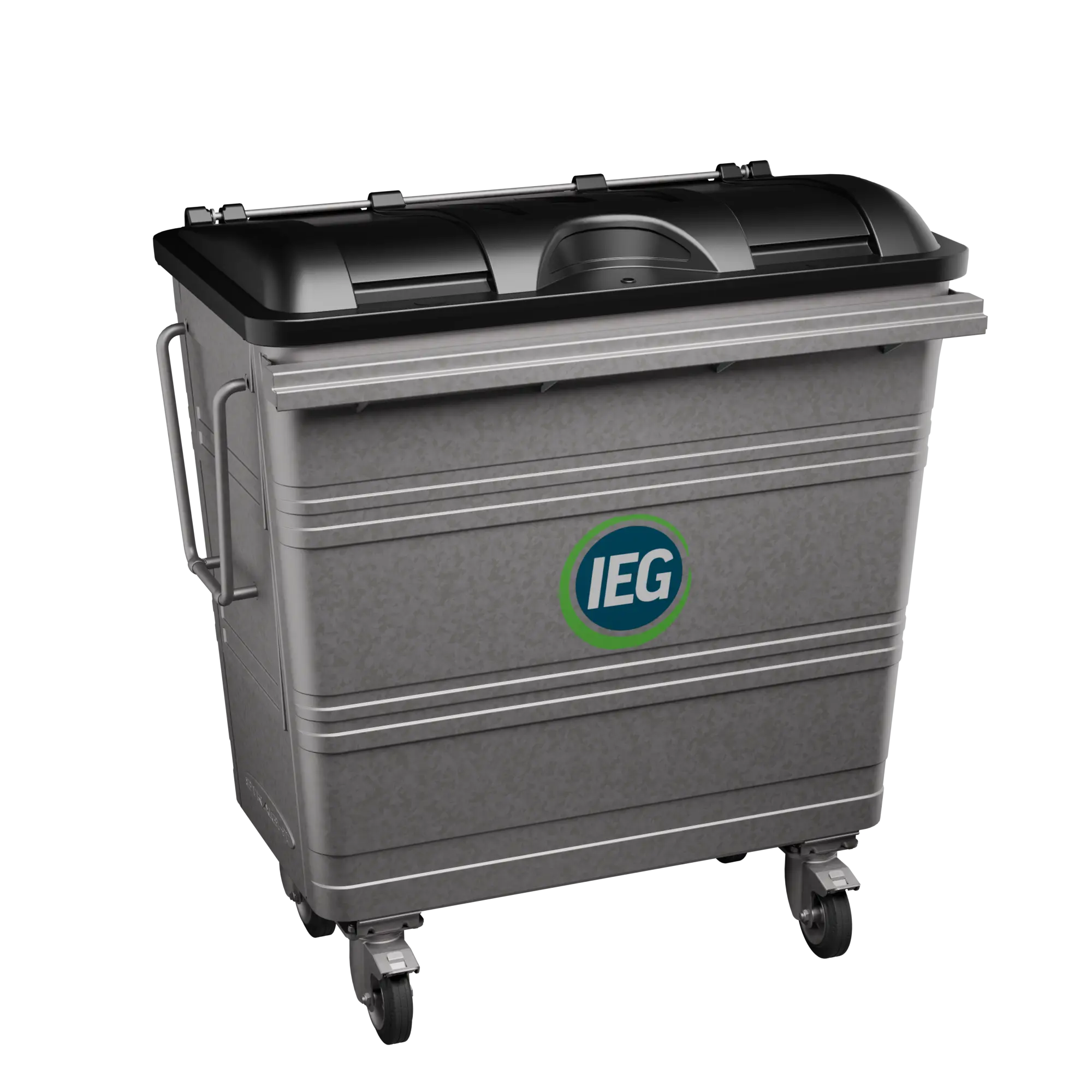
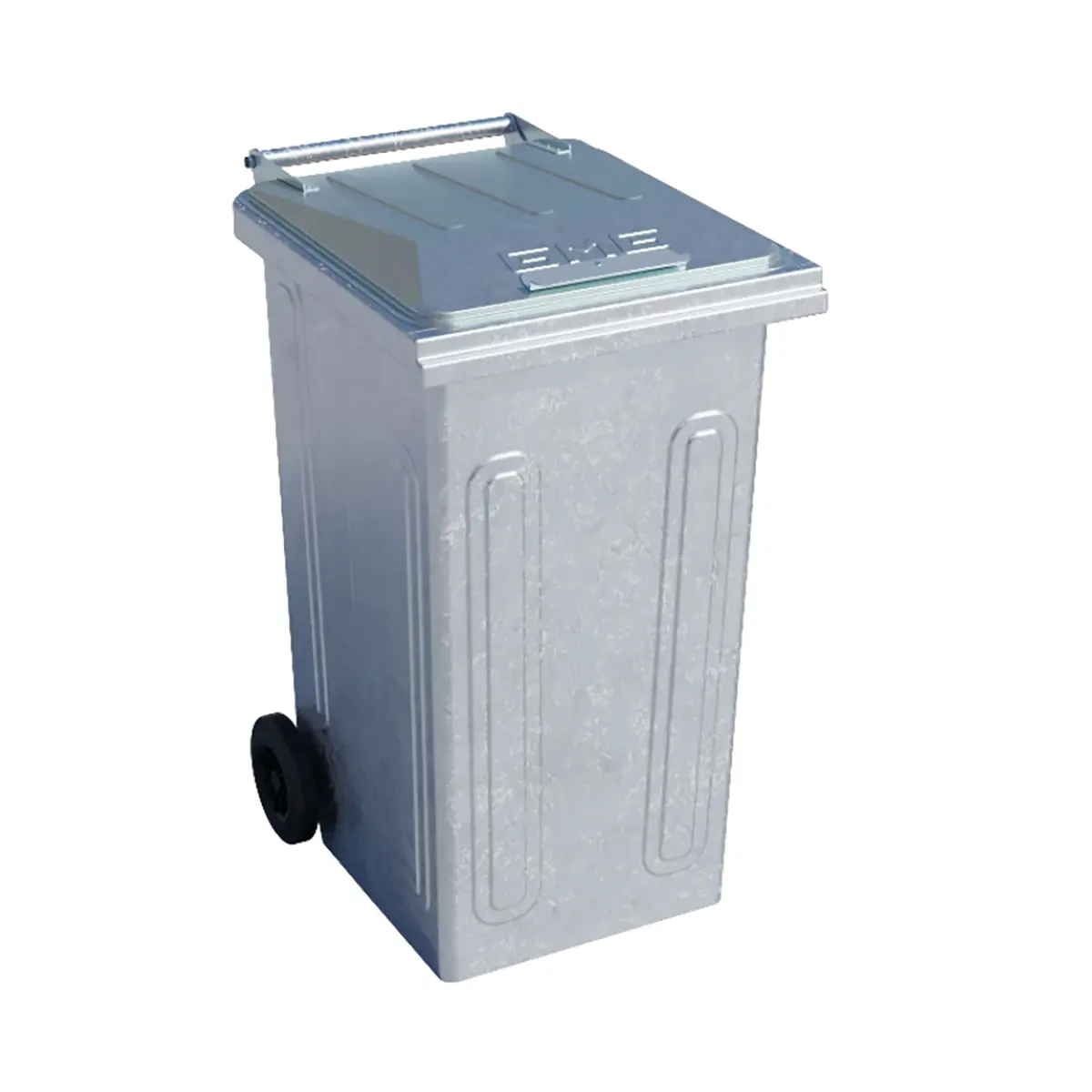
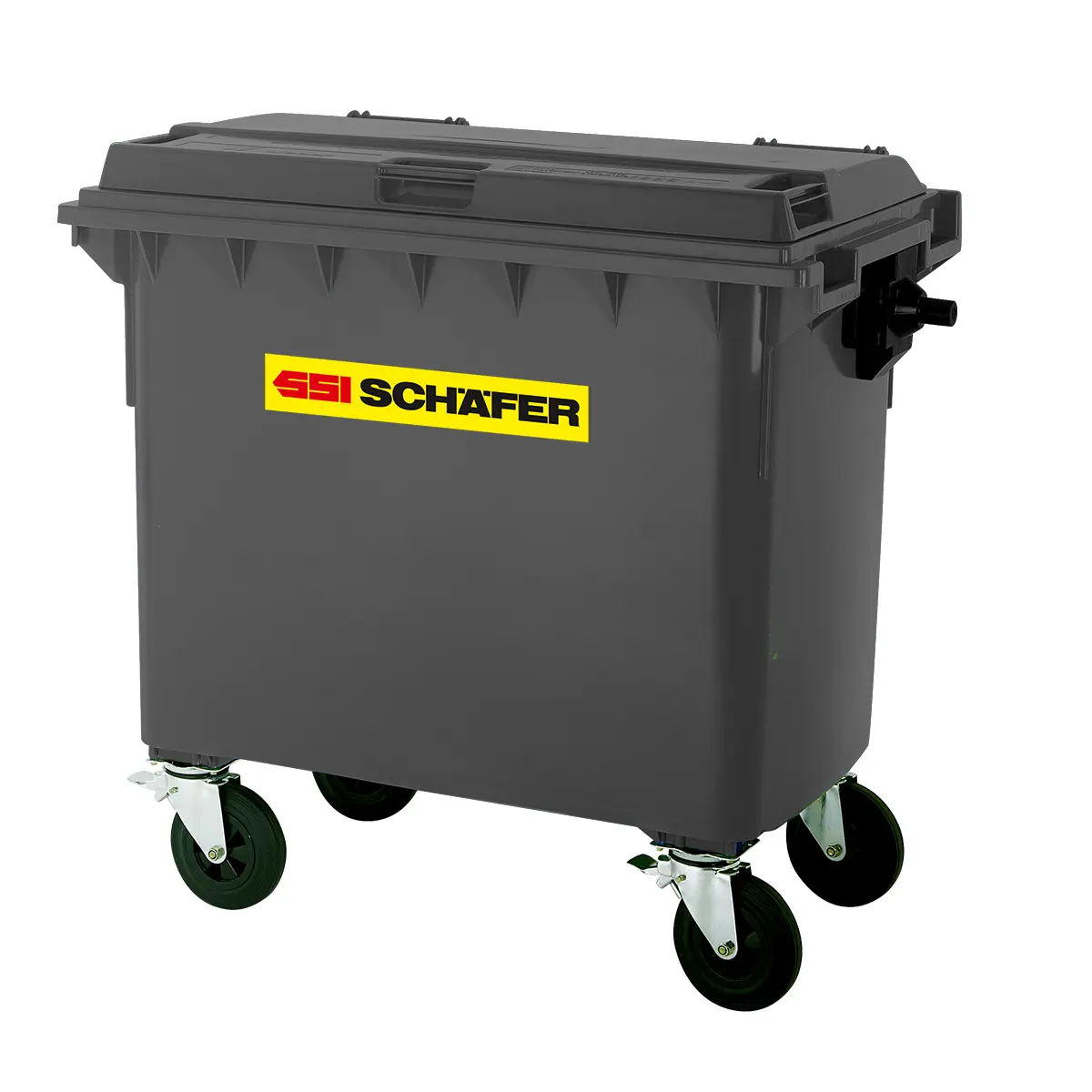
The guidance does not require any particular type of bin. You can use separate bins or separate your waste in another way before it is collected, as long as the container size and collection frequency suit the amount of waste you produce. In practice, most workplaces need a separate container for each stream, and many will need more than they have now. See our guide to recycling bins for small businesses.
What should I do before March 2027?
- Work out your full-time equivalent headcount.
- Look at what you throw away over a typical week or two.
- Speak to your waste collector. Check the streams they collect, their container sizes, costs and collection days. They must be on the public register of waste carriers.
- Check your space. Decide where each bin will go indoors and out.
- Order your bins and leave time to set them up before the deadline.
- Label the bins and brief your team. Contaminated recycling can lead to extra charges or a refused collection.
What happens if I do not comply?
The Environment Agency can issue a compliance notice, and it is an offence not to follow one. Read more in how Simpler Recycling is enforced.
What about Wales, Scotland and Northern Ireland?
Simpler Recycling applies to England, and the rest of the UK has its own rules. There is no equivalent micro-firm exemption in the Welsh guidance, so see our guide to the rules across the UK.
Need help getting ready?
Browse our commercial bins or talk to our team about your site.