Buy a bin that is too small and it overflows between collections. Buy one that is too big and you pay for space you do not use, or lose floor space you need. Here is how to work out which commercial bin size is right for your business.
Commercial bin sizes at a glance
| Capacity | Type | Usually suits |
|---|---|---|
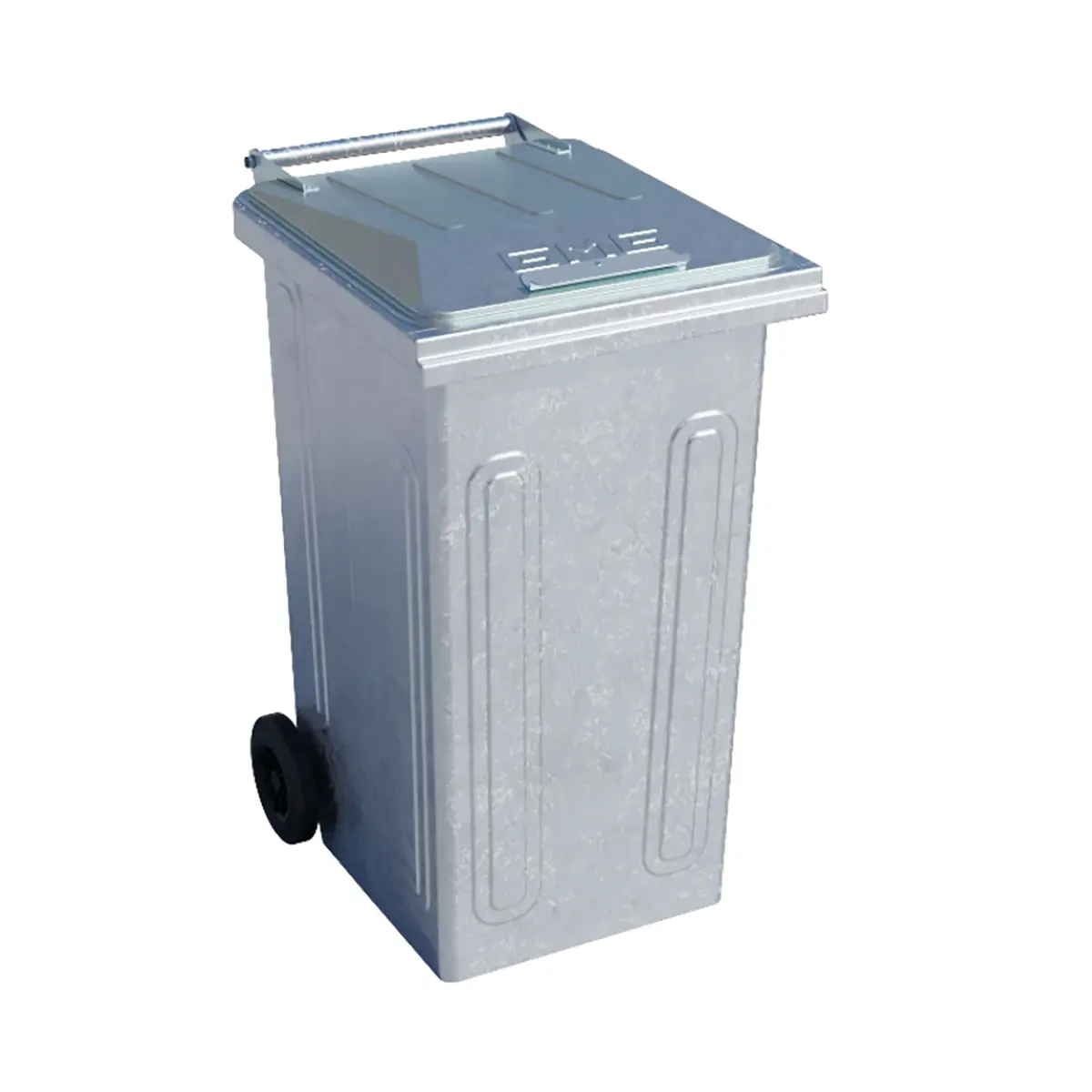
| 240L | Two-wheeled bin | Small offices and shops |
| 360L | Two-wheeled bin | Busier small premises |
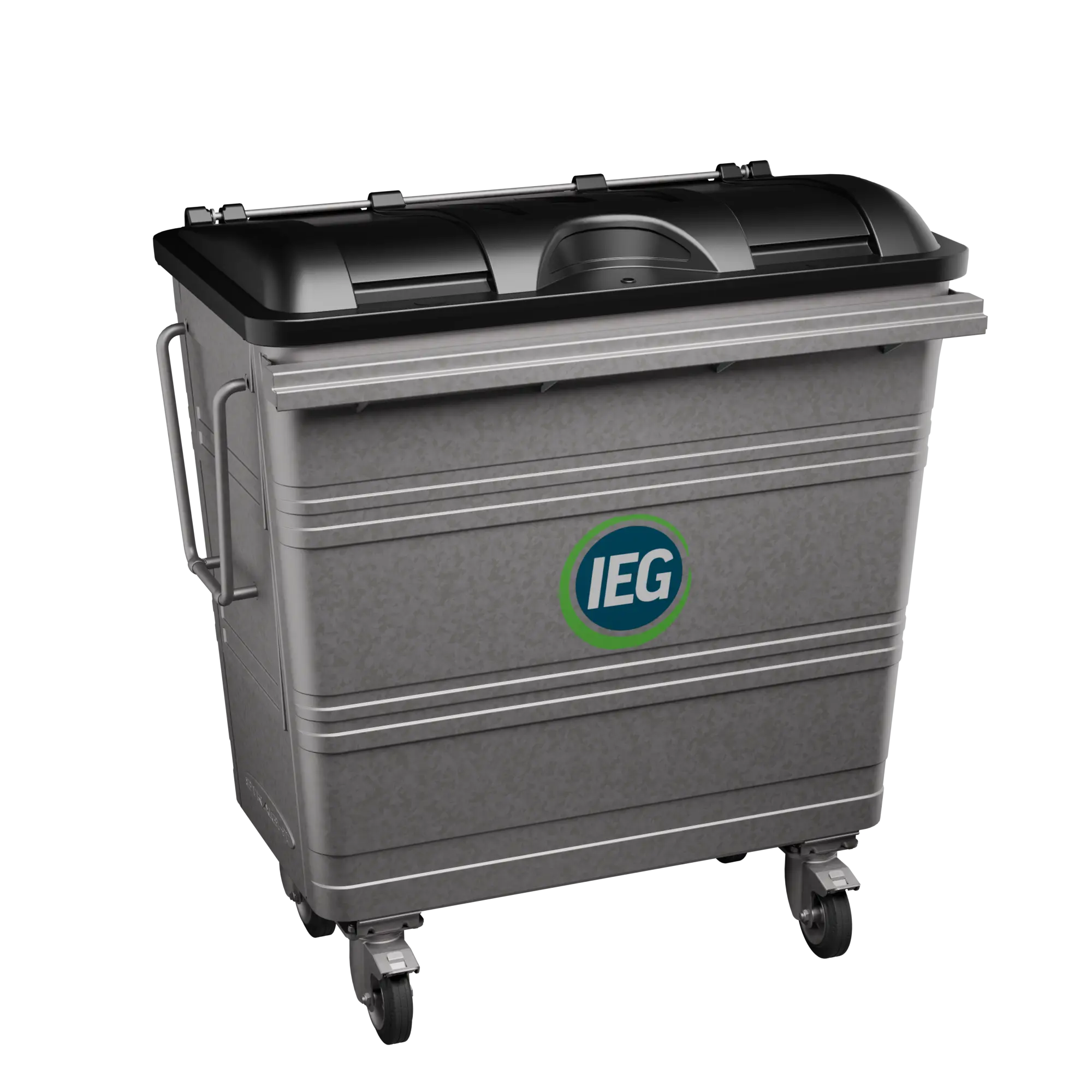
| 500L to 660L | Four-wheeled container | Medium-sized businesses and tighter bin stores |
| 770L to 940L | Four-wheeled container | Larger premises |
| 1100L to 1280L | Four-wheeled container | High-volume commercial, industrial and municipal sites |
These are starting points only. The right size depends on your waste and how often it is collected.
How to estimate the capacity you need
- Measure a typical week. Count the bags, boxes or bins each stream fills.
- Convert it to litres. Use the volume printed on the bags or containers you already use.
- Multiply by your collection interval. A fortnightly collection needs roughly twice the capacity of a weekly one.
- Allow some spare room. Plan for your busy periods, and for bulky waste such as cardboard.
For example, if you fill 150 litres of mixed recycling a week and it is collected every fortnight, you need at least 300 litres. A 360L bin would give you some room to spare.
Work it out for each waste stream
If your workplace separates recycling, food and general waste, size each stream separately. You may also find that general waste falls once recycling is taken out, so you could need less capacity there. Food waste should not be stored for longer than two weeks. Read more in our Simpler Recycling guide.
Check the practical details
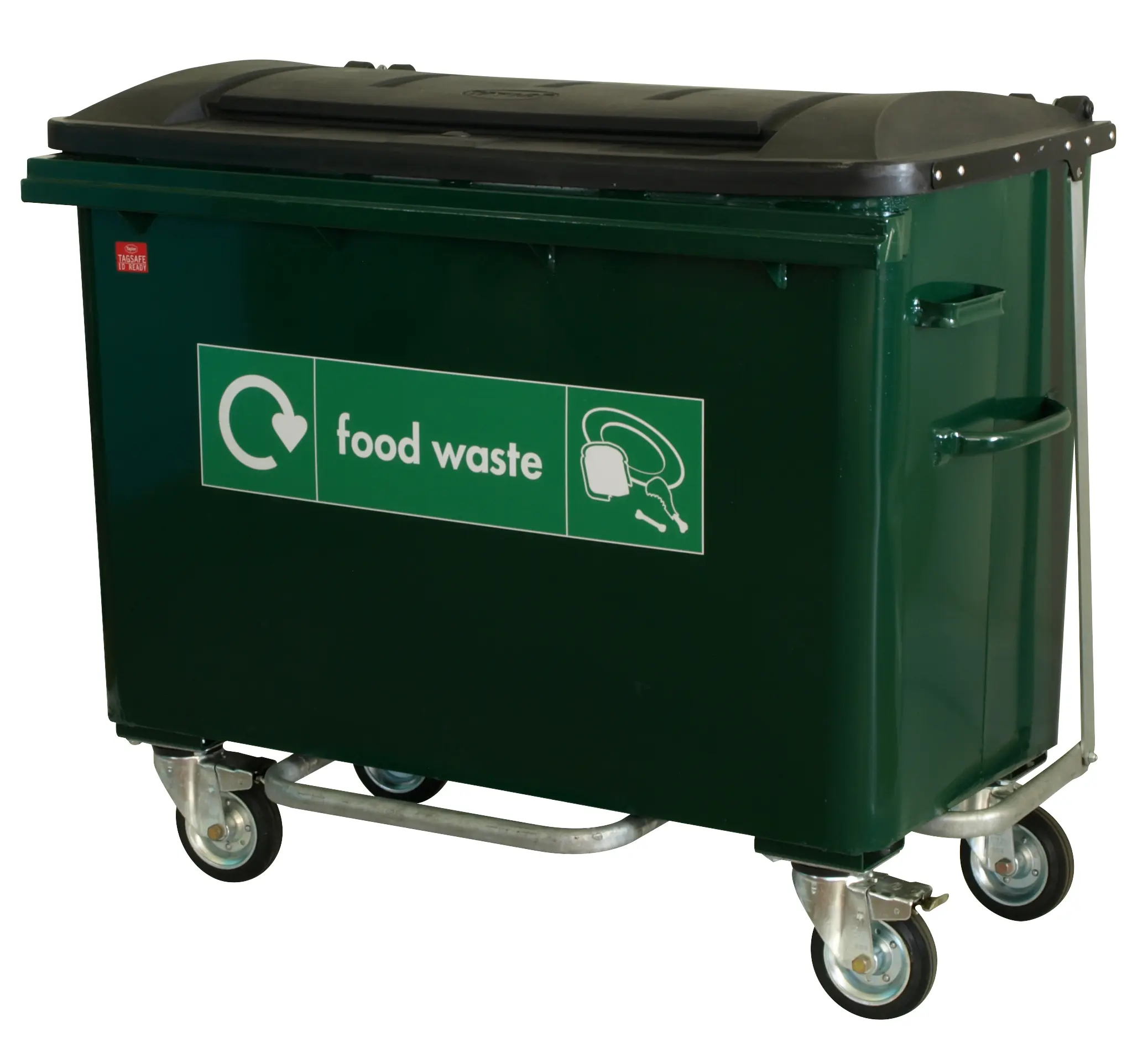
- Access: measure doors, gates and the route to the collection point. For reference, our 500L food waste bin is designed to fit through a standard 900mm door.
- Handling: full bins can be heavy, so check the weight limits and whether staff can move them safely.
- Collection: ask your collector which sizes and lifting types their vehicles can handle.
- Weight: dense waste, such as glass or food, can reach a weight limit before the bin is full.
Ready to choose?
Browse our bins or read our guide to buying bins in the UK. If you are refreshing a larger fleet, our team can help.